Healthcare Cost in Japan: Insurance, Hospital Fees, and Costs for Foreigners
“How much will medical care cost me in Japan?” “Do I need insurance?” “What if I get sick during my trip?”
These are questions that all foreigners visiting or living in Japan may have, especially when faced with an unfamiliar healthcare system in a foreign language.
Healthcare costs in Japan are generally considered moderate compared to many other developed countries, particularly when covered by public insurance.
With public insurance coverage, a typical clinic visit for a minor illness may cost approximately ¥2,000–4,000 for working-age adults, depending on the treatment and facility.
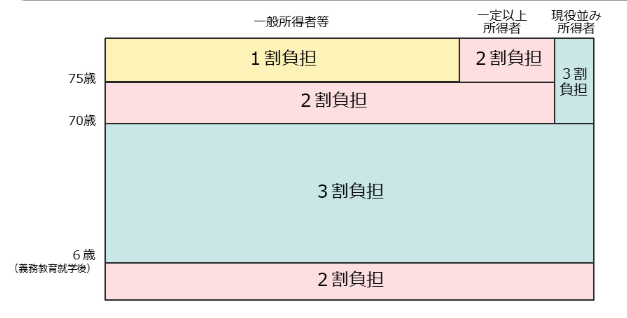
Under Japan’s universal health insurance system, insured individuals pay only 10–30% of total medical costs as co-payment, depending on age.
By reading this guide, you will gain a clearer understanding of the estimated costs you may expect based on your specific situation—whether you are a tourist, a foreign resident with insurance, or someone without coverage.
Healthcare Cost in Japan: What You Need to Know
Healthcare costs in Japan operate on a universal health insurance system.
The insurance system covers medical costs, which patients pay only a co-payment portion of the total bill.
Japan requires all residents to enroll in two main types of public health insurance, National Health Insurance or Social Health Insurance.
The following sections provide cost examples for each scenario.
Understanding your specific situation enables accurate financial planning before seeking medical care.
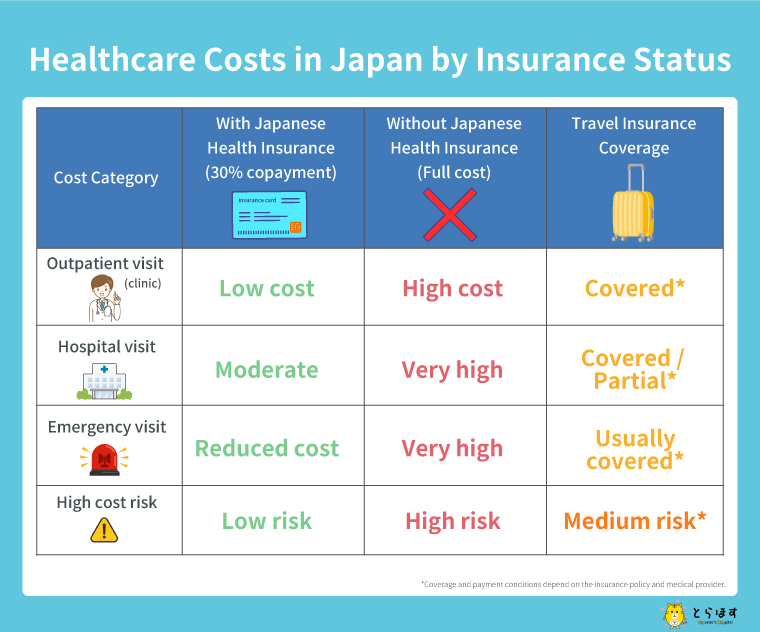
With Japanese Health Insurance(30% copayment)
Japanese health insurance reduces your payment to just 30% of total medical costs for working-age adults.
EX. 1: Clinic Visit for Common Cold + Medication ━━━━━━━━━━━━━━━━━━━━━━━━━━━━━━━━━━━━━━━━
Total medical cost: ¥10,000-13,000 ├─ First consultation: ¥3,000-4,000 ├─ Examination: Included └─ Prescription (3-5 days): ¥2,000-3,000
Your copayment (30%): ¥3,000-4,000
EX. 2: Emergency Room Visit (No Hospitalization) ━━━━━━━━━━━━━━━━━━━━━━━━━━━━━━━━━━━━━━━━
Total medical cost: ¥20,000-30,000 ├─ Emergency consultation: ¥8,000-12,000 ├─ Tests/X-rays: ¥5,000-10,000 └─ Treatment/medication: ¥7,000-8,000
Your copayment (30%): ¥6,000-9,000 *may have additional charges
These examples demonstrate how insurance transforms potentially expensive care into manageable costs.
Without Japanese Health Insurance (full cost)
Without Japanese health insurance, you are generally required to pay the full cost of treatment.
In some cases, additional fees may apply due to interpretation services, administrative support, or other operational factors.
Without public insurance, medical services are typically billed as private practice (自由診療), where fees are set independently by each medical institution rather than regulated by the national fee schedule.
The same medical services cost dramatically more without insurance:
EX. 1: Clinic Visit for Common Cold + Medication ━━━━━━━━━━━━━━━━━━━━━━━━━━━━━━━━━━━━━━━━
Base medical fees: ¥15,000-25,000 ├─ First consultation: ¥8,000-12,000 ├─ Basic examination: ¥5,000-8,000 └─ Prescription (3-5 days): ¥2,000-5,000
Deposit often required: ¥100,000-300,000 (Refunded after final settlement if overpaid)
ADDITIONAL REQUIREMENTS:
Many hospitals require cash payment
Credit cards may not be accepted at smaller facilities
Deposit must be paid before treatment begins
International wire transfer fees may apply
TOTAL OUT-OF-POCKET: ¥100,000-200,000+
As these figures demonstrate, foregoing insurance exposes you to the full volatility of ‘free medical practice’ rates, turning minor ailments into major expenses.
With Travel Insurance
Travel insurance provides variable coverage for healthcare costs in Japan, typically requiring upfront payment followed by reimbursement.
Coverage terms, maximum limits, and claim procedures differ significantly among insurance providers.
EXAMPLE 1: Minor Illness at Clinic ━━━━━━━━━━━━━━━━━━━━━━━━━━━━━━━━━━━━━━━━
Medical bill charged: ¥10,000-15,000
Insurance reimbursement: Depends on policy terms (may cover full or partial amount)
Your final cost: ¥0 if fully covered; partial cost may remain depending on policy
EXAMPLE 2: Emergency Room + Ambulance ━━━━━━━━━━━━━━━━━━━━━━━━━━━━━━━━━━━━━━━━
Ambulance transportation: ¥0 (currently provided without charge in Japan)
Emergency medical bill: ¥50,000-100,000+
Insurance coverage: Varies by policy ├─ Maximum limit: ¥1,000,000-10,000,000+ ├─ Pre-approval: May be required └─ Direct billing: Rarely available in Japan
Your upfront payment: ¥50,000-100,000+ (full amount) Reimbursement timeline: 2-6 weeks after claim submission
Travel insurance serves as essential protection but demands active management.
Understanding your policy beforehand is key to avoiding disputes and ensuring a smooth reimbursement process.
Managing Healthcare Cost in Japan
Understanding healthcare costs in Japan empowers you to make informed medical decisions without financial anxiety.
Insured costs versus uninsured costs demonstrate why appropriate insurance coverage is essential.
Long-term residents should enroll in Japanese national insurance, while visitors need comprehensive travel insurance.
Make informed medical decisions with confidence, understanding the estimated costs you may face based on your specific situation.